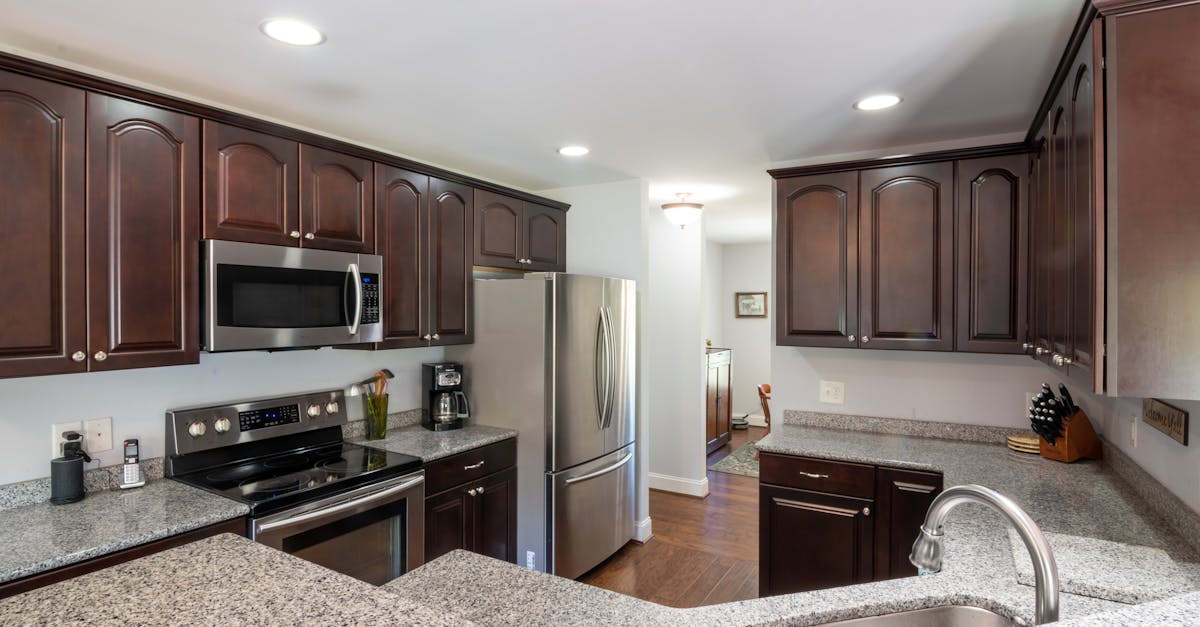
Organisational Hacks for a Streamlined Kitchen Layout
Table Of Contents
Maximising Pantry Efficiency
A well-organised pantry can significantly enhance the efficiency of your kitchen. Start by assessing the available space and determining what items take up the most room. Consider installing adjustable shelving to accommodate various sizes of containers and jars. Use clear bins for smaller items. This makes it easier to see what you have and prevents duplicates from accumulating. A systematic approach to storing similar items together maximises the space and ensures you can quickly locate what you need during meal prep.
Incorporate a rotation system for perishable goods. Place newer items towards the back and older products at the front. This practice reduces waste and encourages the use of items before they expire. Consider the use of vertical space by adding tiered storage or wall-mounted racks. This allows you to utilise every area of your pantry efficiently. Additionally, regularly reassessing your pantry's layout will help maintain an organised environment that supports your cooking habits.
Categorising and Labelling Pantry Items
An organised pantry begins with deliberate categorisation. Start by grouping similar items together, such as grains, snacks, canned goods, and baking supplies. This process allows for quick access to essentials while also helping you identify what items you may need to replenish. Clear containers with transparent lids can further enhance visibility and accessibility, making it easy to see what you have at a glance.
Labeling each container or shelf creates a visual cue, promoting order and consistency. Use a label maker or write on adhesive tape with a permanent marker for a neat appearance. Consider including expiry dates on perishable items to simplify monitoring their freshness. This straightforward approach can not only save time during meal prep but also reduce food waste by ensuring ingredients are used within their optimal timeframe.
Smart Placement of Appliances
Strategic placement of kitchen appliances can significantly improve workflow and efficiency. Consider positioning the refrigerator, sink, and stove in a triangular formation. This layout reduces unnecessary steps and allows for a smooth transition between food preparation, cooking, and cleaning. Ensure that smaller appliances, such as toasters and blenders, are easily accessible on countertops without cluttering the workspace.
It's also essential to keep frequently used items close at hand. Position appliances like coffee makers and microwaves within arm’s reach of where you typically prepare meals. This not only saves time but also keeps your kitchen looking organised. Incorporating storage solutions, such as shelving or cabinets, can help maintain a clean aesthetic while ensuring that everything remains within easy reach.
Functional Zones for Easy Access
Creating functional zones in your kitchen can greatly enhance how effectively you work while preparing meals. Consider dividing the space into specific areas dedicated to different tasks such as food preparation, cooking, and cleaning. This helps to minimise unnecessary movement, enabling you to stay organised and focused when you’re busy. For example, keep knives, cutting boards, and mixing bowls in close proximity to the preparation area, while pots and utensils should be nearby the cooking zone.
Establishing these zones not only streamlines your workflow but also makes it easier for multiple people to collaborate in the kitchen. Designating spaces for specific activities allows for efficient use of the countertop and avoids clutter. It can be beneficial to maintain clear pathways between zones, ensuring that everything is easily accessible. Organising your kitchen in this way ultimately leads to a more pleasant cooking experience, enhancing both productivity and enjoyment.
Implementing a Cleaning Routine
Establishing a consistent cleaning routine can significantly enhance kitchen efficiency and hygiene. Designing a checklist that outlines daily and weekly tasks ensures no area is neglected. Daily responsibilities might include wiping down surfaces and cleaning dishes, while weekly tasks could cover mopping floors and organising pantry items. This approach not only maintains cleanliness but also prevents build-up that can lead to more time-consuming cleanup sessions later on.
Involving all household members in the cleaning routine fosters accountability and teamwork. Assign specific tasks to each person, based on their capabilities and available time. This shared responsibility can create a more cohesive kitchen environment. Setting aside a designated time, whether it's daily or weekly, can help everyone develop a habit. Over time, the process becomes smooth, making it easier to maintain a pristine and functional workspace for cooking and gathering.
Daily and Weekly Cleaning Checklists
Establishing a daily cleaning checklist can significantly reduce clutter and maintain an orderly kitchen environment. Quick tasks such as wiping down countertops, washing dishes, and sweeping the floor should be incorporated. This routine not only enhances hygiene but also creates an inviting atmosphere for cooking and entertaining. Regular maintenance prevents the buildup of grime and extends the lifespan of kitchen surfaces and appliances.
Incorporating a weekly cleaning checklist adds depth to your kitchen maintenance. Focus on tasks that may not be as urgent on a daily basis, such as deep cleaning the oven, reorganising pantry shelves, or washing kitchen linens. These larger tasks allow you to address areas that may otherwise be overlooked, ensuring your kitchen remains a functional and pleasant space. A well-structured weekly routine can help establish long-term habits that contribute to seamless kitchen management.
FAQS
What are some effective ways to categorise pantry items?
Effective ways to categorise pantry items include grouping similar items together, such as canned goods, dry grains, snacks, and baking supplies. Using clear, labelled containers can further enhance organisation and make it easier to locate what you need.
How can I optimise the placement of my kitchen appliances?
To optimise appliance placement, consider their frequency of use and functionality. Place often-used appliances like toasters and coffee makers near the preparation area, while larger appliances such as ovens and microwaves should be positioned conveniently but safely.
What are functional zones in a kitchen, and how can they help?
Functional zones in a kitchen are designated areas for specific tasks, such as cooking, prepping, cleaning, and storing. By creating these zones, you can streamline activities, reduce clutter, and make your kitchen more efficient.
How often should I clean my kitchen, and what should be included in my routine?
It's recommended to clean your kitchen daily, focusing on surfaces, dishes, and spills. A more thorough weekly cleaning should include tasks like wiping down appliances, mopping floors, and organising pantry items to maintain a streamlined kitchen layout.
Can a cleaning checklist help me stay organised in the kitchen?
Yes, a cleaning checklist can be an excellent tool to help you stay organised. It allows you to ensure that all cleaning tasks are completed regularly and helps you establish a routine, making upkeep more manageable and less overwhelming.
Related Links
Space-Saving Appliances Perfect for Hobart KitchensDesigning a Kitchen Island that Saves Space and Enhances Functionality
Transforming Corners into Functional Kitchen Areas
Hidden Storage Options to Consider in Your Renovation
Clever Cabinetry Designs for Efficient Kitchen Storage
Multi-Functional Furniture Ideas for Compact Kitchens
Creative Use of Nooks in Kitchen Design