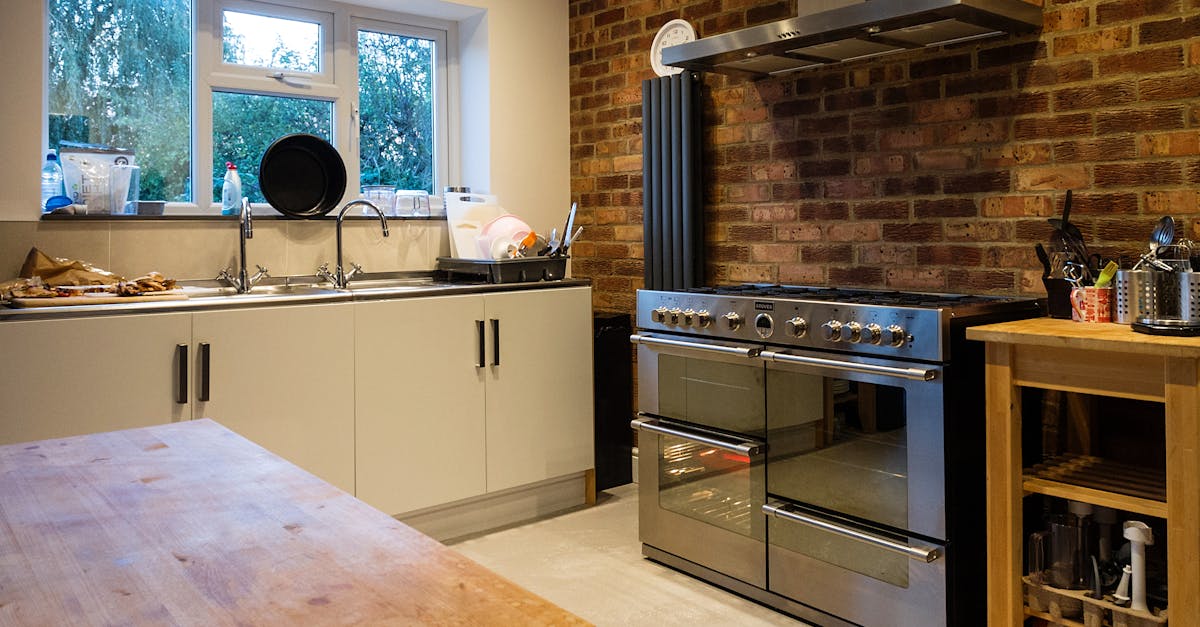
Sustainable Practices in Renovating Modern Kitchens
Table Of Contents
Sustainable Lighting Solutions
Lighting plays a crucial role in creating an inviting atmosphere in modern kitchens while also contributing to energy efficiency. Choosing LED bulbs can significantly reduce electricity consumption compared to traditional incandescent lights. They not only last longer, therefore reducing the need for replacements, but also generate less heat, which contributes to a lower energy demand for cooling during warmer months. Natural lighting should be maximised wherever possible, through strategically placed windows and skylights. This not only helps save energy but also enhances the overall aesthetic of the space.
Utilising smart home technology can further enhance sustainable lighting solutions. Sensors can automatically adjust lighting based on occupancy and time of day, reducing unnecessary energy use. Dimming options allow for flexibility in lighting intensity, catering to various activities that occur in the kitchen. Incorporating solar lighting outdoors can also provide illumination without relying on electricity. These measures contribute to a more sustainable kitchen environment while ensuring functionality and comfort are not compromised.
Choosing LED and Natural Lighting Options
Incorporating energy-efficient LED lighting into modern kitchen renovations proves to be a practical choice for both sustainability and aesthetics. These lights consume significantly less energy compared to traditional incandescent bulbs, which translates into lower electricity bills and a smaller carbon footprint. Their versatile designs cater to various styles and preferences, making it easy to find options that enhance the overall look of the kitchen while ensuring long-lasting performance.
Natural lighting plays a vital role in creating an inviting atmosphere within the kitchen. Maximising the use of windows or skylights allows daylight to illuminate the space, reducing the need for artificial lighting during the day. This not only enhances the kitchen's visual appeal but also promotes a connection with the outdoors. By blending LED solutions with strategic placements of natural light sources, homeowners can achieve a balanced, energy-efficient environment that supports sustainable living practices.
Reducing Waste During Renovation
Renovating a kitchen often results in significant amounts of waste, but there are various strategies to minimise this impact. Planning ahead is crucial; conducting thorough assessments of existing materials can help salvage what can be reused or repurposed. Donating unwanted appliances or cabinetry to local charities not only reduces landfill contributions but also assists those in need. Furthermore, sourcing materials from suppliers that facilitate recycling can ensure a more eco-friendly approach throughout the renovation process.
Another effective tactic is to hire professionals who prioritise sustainable practices. Experienced contractors are often well-versed in techniques that reduce construction debris. They can implement efficient dismantling methods that preserve the integrity of reusable materials. Engaging with local recycling facilities can further streamline the disposal of leftover materials, ensuring that as much as possible is diverted from landfills. Taking these measures contributes to a more sustainable renovation experience, ultimately leading to an environmentally conscious kitchen upgrade.
Strategies for Minimising Construction Debris
Planning is crucial to reducing waste during kitchen renovations. Accurate measurements should be taken before any demolition or construction begins. This helps to ensure that materials are purchased in the correct quantities, minimising excess that often ends up as landfill. Additionally, creating a detailed renovation timeline can help prevent unnecessary delays, which might lead to rushed decisions resulting in waste.
Reusing materials from the existing kitchen can significantly cut down on construction debris. Salvaging items such as cabinets, fixtures, and appliances not only helps the environment but can also save on renovation costs. Donating unwanted fixtures to local charities or recycling centres is another way to responsibly handle surplus materials, allowing them to find new life in homes that need them. Ensuring that any waste produced is sorted and disposed of according to recycling guidelines will further support sustainable practices during the renovation process.
Enhancing Indoor Air Quality
Indoor air quality significantly impacts health and wellbeing. During renovations, the choice of materials plays a crucial role. Selecting low-VOC (volatile organic compounds) and non-toxic substances ensures that harmful emissions are kept to a minimum. Options such as natural paints and finishes provide safer alternatives that contribute to a healthier living environment.
Incorporating proper ventilation systems helps circulate fresh air throughout the space. This approach not only alleviates potential allergens but also reduces humidity levels. Choosing appliances such as range hoods effectively removes cooking fumes, further enhancing air quality. Focusing on these elements creates a more comfortable and safe atmosphere in modern kitchens.
Selecting Low-VOC and Non-Toxic Materials
When renovating a kitchen, the choice of materials can significantly impact indoor air quality. Low-VOC (volatile organic compound) products release fewer harmful chemicals into the air, making them a safer option for both inhabitants and the environment. Opting for paints, adhesives, and finishes labelled as low-VOC ensures a healthier atmosphere during and after the renovation process. Additionally, selecting natural materials, such as solid timber or stone, can further minimise the introduction of toxins into the home.
Incorporating non-toxic materials into the renovation can enhance the overall sustainability of the project. This includes sourcing cabinetry and countertops made from sustainable materials like bamboo, recycled glass, or recycled hardwood. By prioritising products that meet stringent safety standards, homeowners can create beautiful spaces that are not only visually appealing, but also contribute to a healthier living environment. Making informed choices about the materials used fosters a commitment to long-term sustainability and well-being.
FAQS
What are some sustainable lighting options for modern kitchens?
Sustainable lighting options include using LED bulbs, which consume less electricity and have a longer lifespan, and incorporating natural lighting through strategically placed windows or skylights.
How can I reduce waste during my kitchen renovation?
You can reduce waste by planning your renovation carefully, reusing existing materials when possible, and donating items that are still in good condition to local charities.
What are low-VOC materials, and why are they important?
Low-VOC (Volatile Organic Compounds) materials are products that emit fewer harmful chemicals into the air. They are important for ensuring better indoor air quality, which can enhance health and comfort in your kitchen.
What strategies can I use to minimise construction debris?
Strategies include careful planning of the renovation process, implementing recycling programs for materials like wood and metal, and hiring contractors who prioritise waste reduction practices.
How can I enhance indoor air quality when renovating my kitchen?
You can enhance indoor air quality by selecting low-VOC paints and finishes, incorporating proper ventilation, and choosing materials that do not emit harmful toxins.
Related Links
Statement Lighting: Transforming the Ambiance of Your KitchenBold Backsplashes: A Trend in Modern Kitchen Aesthetics
Integrating Technology for a Future-Ready Kitchen
Versatile Islands: The Hub of Modern Kitchen Design
The Impact of Biophilic Design on Kitchen Spaces
Incorporating Natural Light into Your Kitchen Renovation