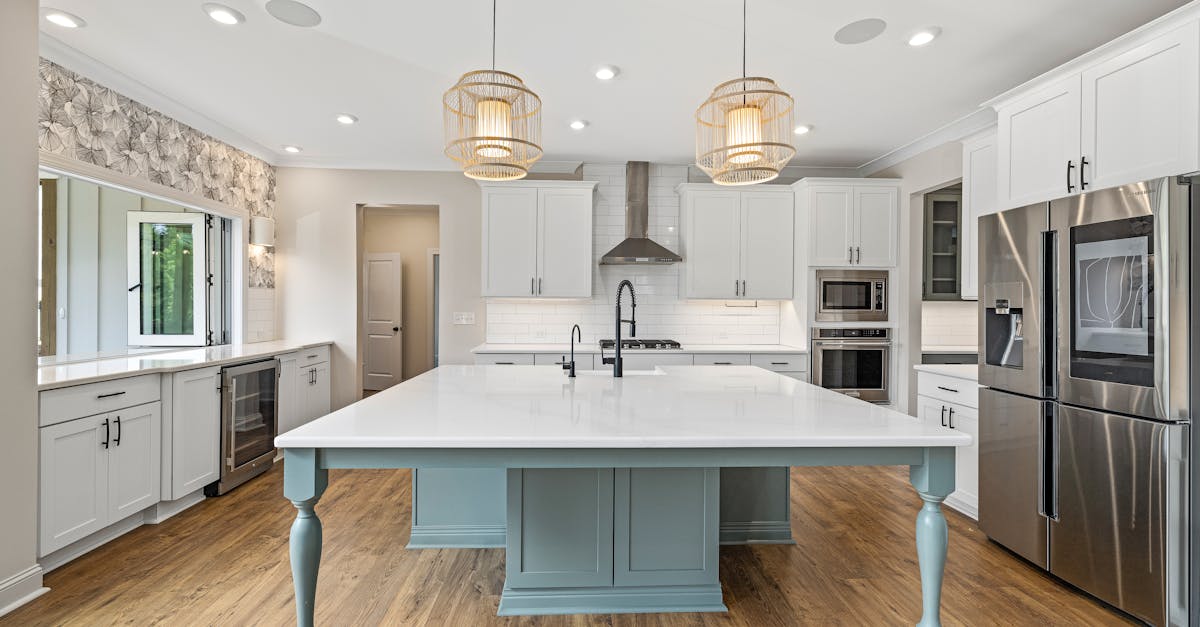
Sustainable Timber Options for Kitchen Counters
Table Of Contents
Maintenance Tips for Timber Kitchen Counters
To ensure the longevity of timber kitchen counters, regular maintenance is essential. Start by cleaning surfaces with a soft cloth and mild soap, avoiding harsh chemicals that could damage the finish. Water should be wiped up promptly to prevent absorption, which can lead to warping or staining. To maintain their natural beauty, consider applying a food-safe mineral oil or beeswax periodically. This treatment not only enhances the wood’s appearance but also provides a protective barrier against moisture and spills.
Scratches and dents are inevitable over time, but they can often be repaired easily. Light sanding with fine-grit sandpaper can remove surface imperfections, while touching up the area with an appropriate stain or finish will restore its original look. For deeper scratches, filling them in with a suitable wood filler before sanding can be effective. Additionally, placing mats or cutting boards on the surface during food preparation can safeguard against severe wear. Following these tips will help maintain the aesthetic and functional qualities of timber counters for years to come.
Best Practices for Longevity
To ensure the longevity of timber kitchen counters, regular maintenance is essential. Cleaning should involve a gentle approach, using a soft cloth and mild soap. Harsh chemicals can strip the timber of its natural oils and lead to discolouration. After cleaning, it is advisable to dry the surface thoroughly to prevent moisture damage. Applying a food-safe mineral oil periodically can help maintain the wood's sheen and protect it from stains.
Protective measures play a key role in preserving the surface. Use cutting boards and trivets to shield the counter from sharp objects and hot cookware. Regular inspections for signs of wear or damage allow for timely repairs, preventing minor issues from becoming significant problems. Reinforcing the timber with a suitable sealant can add an extra layer of defence against spills and daily wear.
The Aesthetic Appeal of Timber in Kitchens
Timber brings a natural warmth and character to kitchen spaces, making it a popular choice among homeowners and designers alike. The variety of wood species available allows for a range of finishes and colours, from the light hues of oak to the rich, deep tones of walnut. This versatility means timber can complement various design styles, whether contemporary, rustic, or industrial, creating an inviting atmosphere in any kitchen environment.
In addition to its aesthetic qualities, timber offers a tactile experience that is often missing in other countertop materials. The grain patterns add unique visual interest, enhancing the overall design of the kitchen. Textured surfaces can evoke a sense of connection to nature, while polished finishes provide elegance and sophistication. This combination of beauty and functionality makes timber counters a compelling choice for those looking to elevate their kitchen’s appearance.
Design Trends with Sustainable Timber
The use of sustainable timber in kitchen designs has gained significant popularity due to its versatility and natural beauty. Homeowners appreciate the warmth and character that timber brings into a space. Oak, teak, and sustainable bamboo are popular choices. These materials can complement a variety of styles, from modern minimalism to rustic charm. Designers are increasingly incorporating timber in innovative ways, such as using it for cabinetry, shelving, and even statement lighting fixtures.
In addition to its aesthetic benefits, sustainable timber aligns well with the growing trend of eco-conscious living. Many consumers are now looking for materials that reduce their environmental footprint. The choice of reclaimed timber also supports sustainability goals by repurposing materials that would otherwise end up in landfills. Wood finishes that enhance grain patterns and bring out the natural colour variations are also in vogue. This trend not only adds a unique touch to kitchens but ensures that each piece is one-of-a-kind.
Overcoming Common Misconceptions
Timber has often been unfairly associated with high maintenance and vulnerability to wear. Many believe that a timber kitchen counter cannot withstand the rigours of daily use, which is far from the truth. With proper sealing and treatment, sustainable timber surfaces can resist stains and moisture effectively. Regular maintenance may be required, but this should not deter homeowners. Instead, it offers the opportunity to appreciate the natural beauty and uniqueness of timber.
Another common misconception is that timber is not as durable as alternatives like stone or concrete. In reality, many types of sustainably sourced timber are incredibly resilient and can last for decades when cared for properly. The belief that timber will warp or swell is often based on experiences with lower-quality materials. By choosing certified sustainable options and ensuring they are treated appropriately, individuals can enjoy the durability and charm of timber without compromising on longevity or performance.
Debunking Myths About Timber Durability
Timber has long been regarded as a less durable option for kitchen counters compared to synthetic materials. Many believe that wood surfaces are prone to scratching, denting, and water damage. However, advancements in treatments and finishes have transformed the performance of timber. High-quality sealants and oils enhance its resistance to moisture and stains, making modern timber counters quite capable of withstanding the rigours of daily kitchen activities.
Additionally, the notion that timber cannot endure heat is another prevalent misconception. While it is true that extremely hot pots or pans can potentially scorch a timber surface, proper care and the use of trivets can prevent damage. Regular maintenance, including oiling and skipping abrasive cleaning methods, can prolong the life of a timber counter, ensuring it remains a robust and stylish choice for the heart of the home.
FAQS
What types of sustainable timber are best for kitchen counters?
Some of the best options for sustainable timber kitchen counters include bamboo, reclaimed timber, and certified hardwoods like oak and maple. Each of these options offers durability and eco-friendliness.
How do I maintain my timber kitchen counters?
To maintain timber kitchen counters, regularly clean them with a mild soap and water solution, avoid harsh chemicals, and apply a food-safe oil or wax periodically to keep the wood hydrated and protected.
Are timber kitchen counters prone to damage?
While timber counters can be susceptible to scratches and water damage, proper care and maintenance, such as using cutting boards and coasters, can significantly enhance their durability and longevity.
Can I use sustainable timber counters in a modern kitchen design?
Absolutely! Sustainable timber can complement a modern kitchen design beautifully. Its natural warmth and unique grain patterns can create a stunning contrast against sleek surfaces and contemporary finishes.
What are some common misconceptions about timber kitchen counters?
One common misconception is that timber counters are not durable. However, with proper care and maintenance, high-quality timber can withstand daily use and remain functional and attractive for years.
Related Links
Choosing Low-VOC Paints for a Healthy Kitchen EnvironmentRecycled Glass Backsplashes for Modern Kitchens
Eco-Friendly Lighting Solutions for Modern Kitchens
Designing with Water-Saving Fixtures in Mind
Innovative Use of Upcycled Materials in Kitchen Designs