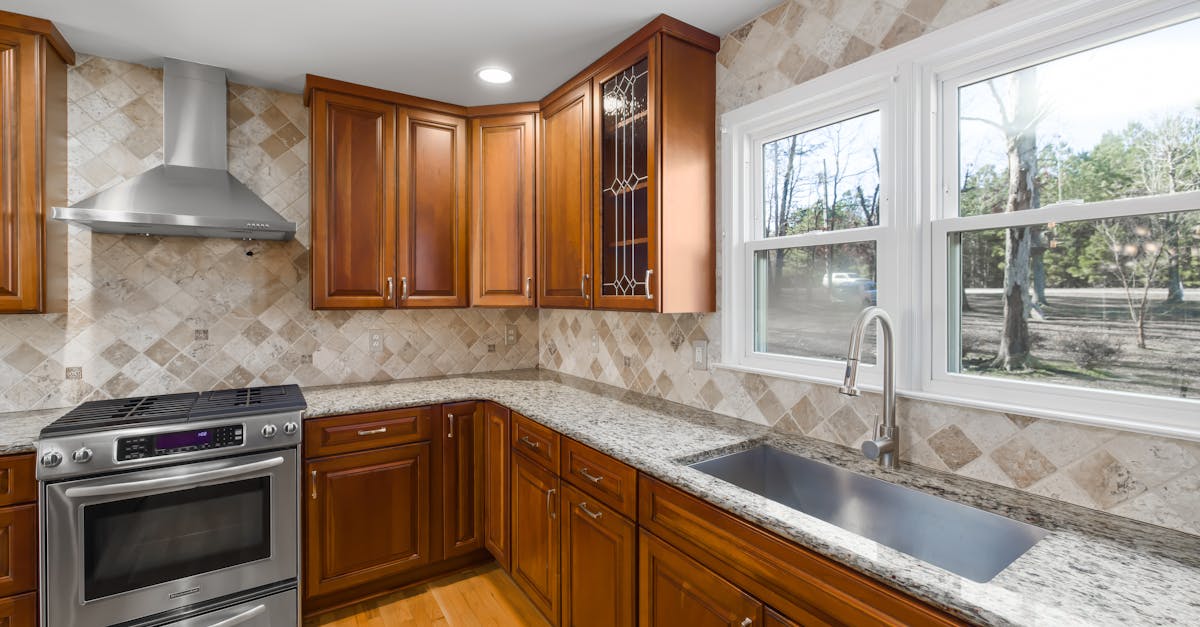
What to Ask About Kitchen Design Expertise Before Hiring
Table Of Contents
Reviewing Past Work and Portfolio
When considering a kitchen designer, examining their past work is crucial. A comprehensive portfolio showcases their style, creativity, and ability to meet various client requirements. Look for a range of completed projects that demonstrate versatility, from contemporary chic to traditional warmth. This insight will help determine if their design aesthetic aligns with your vision for your kitchen.
Furthermore, photographs of finished projects can also illustrate attention to detail and craftsmanship. Pay close attention to the quality of materials used and the functionality of the layout. Engaging with the designer’s previous work allows for a deeper understanding of their approach and the level of satisfaction past clients have experienced. This foundational knowledge can significantly inform your decision-making process.
Can you provide examples of your previous kitchen designs?
Reviewing a designer's past work can provide valuable insights into their style and capabilities. Look for variety in their portfolio, as this indicates adaptability to different client needs and preferences. Detailed photographs and sketches showcasing completed projects can highlight their attention to detail and design aesthetic. It’s essential to consider not only the overall look of the kitchens but also the functionality and space utilisation of each design.
When assessing examples of previous work, pay attention to how well the designs align with current trends while maintaining timeless appeal. Consider asking about specific challenges the designer faced in each project and how they addressed these obstacles. Understanding the thought process behind their choices can reveal their problem-solving skills and creativity. This exploration will help you gauge if their experience and design vision resonate with your own kitchen goals.
References and Testimonials
Seeking references and testimonials from a kitchen designer can provide valuable insights into their work and client satisfaction. Past clients can offer a glimpse into the designer's communication style, project management skills, and ability to deliver on time and within budget. Ensure that the references you receive are recent to gauge the designer’s current performance and capabilities.
Additionally, look for testimonials that reflect a range of projects, including both renovations and new builds. This variety can indicate the designer's adaptability and creativity in different contexts. It is also helpful to inquire about any challenges faced during the projects and how the designer addressed them. Such feedback will help in understanding their problem-solving skills and dedication to achieving the client’s vision.
Are you able to share client references or feedback?
When considering a kitchen designer, it's essential to understand their relationship with previous clients. A reputable designer should be happy to provide client references or testimonials that shed light on their work ethic, communication skills, and overall satisfaction with the finished product. These references give prospective clients insights into what it’s like to collaborate with the designer, allowing you to gauge the likelihood of a successful partnership.
Personal feedback from past clients can also reveal strengths and weaknesses in the designer’s approach. Look for comments on how the designer handled challenges and how closely they adhered to timelines and budgets. This information will help you form a well-rounded view of the designer's capabilities and can assist in making an informed decision. Engaging with prior clients, whether through provided contact details or online reviews, can clarify what you might expect from your own experience.
Staying Current with Trends
Understanding the latest kitchen design trends is crucial for creating spaces that are both functional and aesthetically pleasing. A skilled designer should be engaged with industry developments, attending trade shows, and participating in workshops. This ongoing education allows them to incorporate innovative materials, appliances, and layouts into their work, ensuring that clients benefit from fresh ideas and modern solutions.
Staying updated also involves following influential design magazines, websites, and social media accounts. Designers often build a network with suppliers and other professionals, exchanging knowledge about new products and techniques. Engaging with these resources not only enhances their creativity but also helps them anticipate shifts in consumer preferences, which can significantly influence the overall success of a kitchen project.
How do you stay updated on the latest kitchen design trends?
Staying informed about the latest kitchen design trends is essential for any professional in the field. Many designers subscribe to industry magazines and online publications that focus on interior design, architecture, and home improvement. Additionally, attending trade shows and design expos allows them to discover new materials and innovative technologies that can enhance their projects. Networking with other professionals and engaging in local design communities also offers valuable insights into emerging styles and consumer preferences.
Social media platforms have become a significant resource for designers looking to stay current. They often follow influential designers, brands, and trendsetters on platforms like Instagram and Pinterest to observe new ideas and concepts in real-time. Participating in webinars and online courses further broadens their knowledge, providing exposure to cutting-edge techniques and sustainable practices. By leveraging various sources of information, designers can bring fresh perspectives and modern aesthetics to their kitchen designs.
FAQS
What should I look for in a kitchen designer's portfolio?
You should look for a variety of styles that showcase their versatility, attention to detail, and the overall quality of their work. Pay attention to how well their designs meet the functional needs of the kitchen while also being aesthetically pleasing.
How important are client references when hiring a kitchen designer?
Client references are crucial as they provide insight into the designer's reliability, communication skills, and ability to meet deadlines. Speaking to past clients can help you gauge their overall satisfaction and the designer's professionalism.
What are some current kitchen design trends I should be aware of?
Some current trends include open-concept layouts, smart kitchen technology, sustainable materials, mixed textures, and bold colour palettes. A knowledgeable designer should be able to discuss these trends and how they can be incorporated into your space.
How do I know if a kitchen designer is experienced?
Look for designers who have extensive experience in the field, verified credentials, and a strong portfolio. Additionally, asking about their design process and how they handle challenges can provide insight into their expertise.
What questions should I ask during an initial consultation with a kitchen designer?
During the consultation, ask about their design philosophy, how they approach project management, their timeline for completion, and how they handle budget constraints. It’s also important to discuss your specific needs and preferences to ensure a good fit.
Related Links
Key Inquiries for Assessing Contractor Experience in Kitchen RenovationsEssential Questions to Determine the Right Kitchen Renovation Contractor
Understanding Contractors’ Subcontracting Practices: Key Questions
Questions About Previous Projects and Client References to Consider
Essential Safety and Compliance Questions for Potential Kitchen Contractors
Inquiring About Kitchen Renovation Project Management Practices