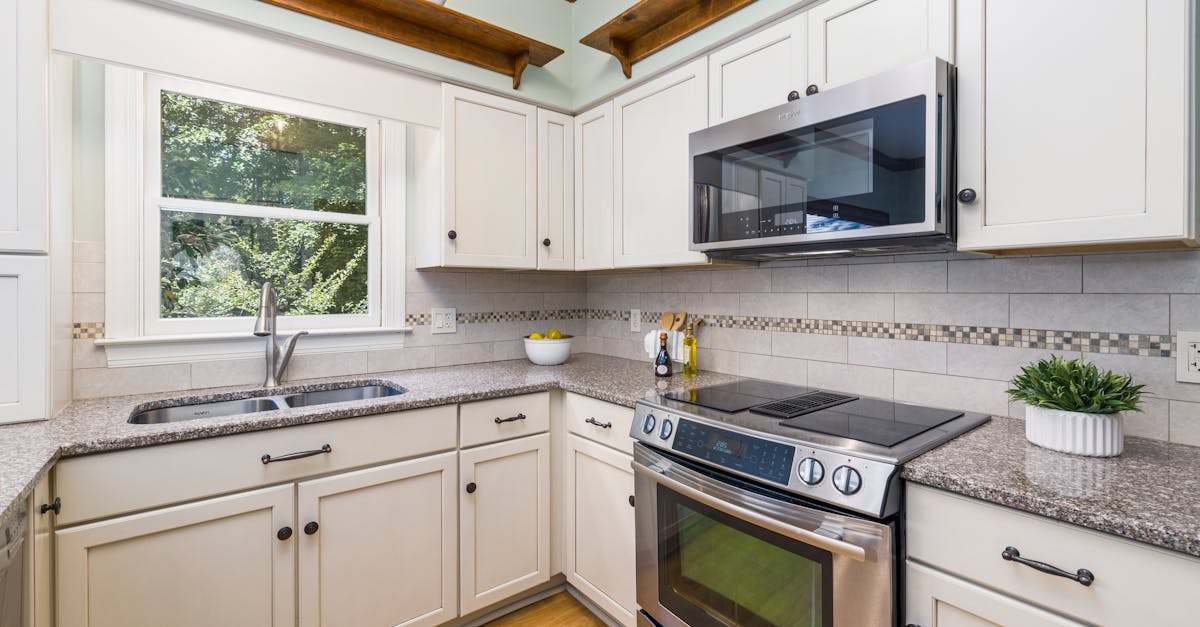
Designing a Harmonious Colour Flow with Open Spaces
Table Of Contents
Textures and Finishes
The choice of textures and finishes plays a pivotal role in establishing a cohesive colour flow in open spaces. Materials such as natural wood, smooth stone, and soft textiles can create layers of interest while complementing the overall colour palette. For instance, matte finishes tend to absorb light and soften a space, promoting a relaxed atmosphere. In contrast, glossy surfaces reflect light, adding vibrancy and energy. By thoughtfully combining a variety of textures, a design can achieve an engaging sensory experience that enhances the visual appeal of the area.
Incorporating finishes that echo the chosen colour scheme can further enhance the harmony within a space. Warm-toned metals, for example, can beautifully juxtapose cool hues, creating a dynamic yet balanced look. Fabric choices, such as plush cushions or sleek upholstery, can add depth without overwhelming the eyes. It’s crucial to consider how each texture interacts with natural light and other elements within the room. A meticulously curated selection of textures and finishes ensures that the colour flow remains harmonious while encouraging a sense of unity and connection throughout open spaces.
Impact of Material Choices on Colour Harmony
The choice of materials plays a significant role in establishing colour harmony within open spaces. Natural materials like wood and stone often emit warmth and a sense of grounding, enhancing earthy tones and neutrals. In contrast, synthetic finishes can introduce a broader spectrum of colours but may lack the depth and richness found in organic materials. When paired correctly, these textures can create a cohesive look, ensuring that the different elements within a space complement rather than clash.
Sustainability is also an important consideration when selecting materials. Eco-friendly options often come with a palette that reflects nature, promoting a tranquil atmosphere. This aspect not only aids in achieving colour harmony but also aligns with a more holistic approach to design. When materials are thoughtfully sourced, they contribute to the overall aesthetic, creating a seamless flow that resonates throughout the open space. Balancing texture and finish with colour choice ultimately enhances both the visual appeal and the emotional experience of an environment.
Incorporating Artwork and Decor
Art plays a pivotal role in enhancing the aesthetic appeal of open spaces. Thoughtfully selected pieces can elevate the ambiance and create focal points that draw the eye. It is essential to consider the scale and style of artwork to ensure that it complements the existing colour palette. Incorporating various types of decor, such as sculptures or textiles, can introduce depth and texture, enriching the overall atmosphere of the environment.
When balancing bold artwork with subtle colours, a cohesive design emerges. An oversized canvas featuring vibrant hues can energise a muted room, while understated pieces in softer shades can anchor a lively space. Proper placement is crucial, as pieces placed at eye level or in unexpected nooks can spark interest. Additionally, the use of frames and mounts that harmonise with the surrounding decor contributes to a unified look that resonates throughout the area.
Balancing Bold Artwork with Subtle Colours
Integrating bold artwork into open spaces requires a thoughtful selection of surrounding colours. Choosing a subtle colour palette can effectively highlight artworks without overwhelming them. Soft, neutral tones create a calming backdrop that allows the eye to focus on the vibrant pieces. This approach also enhances the overall aesthetic of the space, ensuring that each artwork stands out while maintaining a sense of harmony.
Textures play an important role in balancing bold art with subtle colours. Incorporating materials such as textured fabrics or natural finishes can add depth to the design. These elements break up the visual monotony and provide an engaging contrast to both the artwork and the surrounding hues. By carefully considering both colour and texture, a cohesive atmosphere emerges, where attention can be drawn to the artistic details without losing the tranquil vibe of the open area.
Emotional Impact of Colours
Different colours evoke various emotions and create distinct atmospheres within a space. Warm hues like reds and oranges can stimulate feelings of energy and warmth, making areas feel inviting. In contrast, cool shades such as blues and greens often impart a sense of calmness and tranquillity. Understanding the emotional impact of colours helps in selecting the appropriate palette for open spaces, ensuring that the environment resonates positively with its occupants.
Considering how colours influence mood is essential in creating cohesive designs. A bright yellow can uplift the spirit, while softer pastels can evoke serenity. Integrating these colour principles into open spaces allows for a seamless transition of emotions throughout the area. This careful selection not only enhances aesthetic appeal but also fosters a sense of harmony and well-being among those who inhabit the space.
How Colours Influence Mood in Open Spaces
Colour plays a vital role in shaping the atmosphere of open spaces. Each hue carries its own psychological weight, influencing how individuals feel when they enter a room. Warm colours like reds and oranges tend to evoke feelings of energy and warmth, making them ideal for lively areas such as kitchens and dining rooms. In contrast, cooler colours like blues and greens create a sense of calmness and serenity, making them suitable for relaxation zones further away from the hustle and bustle.
Choosing the right colour palette not only enhances aesthetics but can also improve functionality. For instance, lighter shades can make a space feel open and airy, crucial for smaller areas where a sense of expansiveness is desired. Darker tones, while bold and sophisticated, can sometimes be overwhelming if not balanced with lighter accents. Understanding the emotional impact of colours allows designers to craft space that is both beautiful and conducive to the desired mood.
FAQS
What is meant by a harmonious colour flow in open spaces?
A harmonious colour flow refers to the seamless integration of colours across an open space, creating a cohesive and visually pleasing environment that enhances the overall aesthetic.
How do textures and finishes affect colour harmony?
Textures and finishes can significantly influence how colours appear in a space. Different surfaces reflect light in unique ways, which can alter the perception of colour and contribute to the overall harmony of the design.
Can bold artwork clash with subtle colours in a room?
Yes, bold artwork can sometimes clash with subtle colours if not balanced properly. It is important to consider the surrounding colour palette and choose complementary tones to ensure that the artwork enhances rather than overwhelms the space.
How do colours influence mood in open spaces?
Colours can evoke different emotions and moods. For example, warm colours like reds and yellows can create feelings of warmth and energy, while cool colours like blues and greens tend to promote calmness and relaxation.
What are some tips for creating a colour flow in large open areas?
To create a colour flow in large open areas, consider using a consistent colour palette throughout the space, integrating transitional shades, and strategically placing decor and artwork that ties the colours together for a unified look.
Related Links
Popular Finishes to Enhance Your Kitchen AestheticsHow to Incorporate Accent Colours in Your Kitchen
Integrating Natural Elements Through Colour Choices
Trends in Textured Finishes for Kitchen Surfaces
Creating Contrast with Darker Shades in Kitchen Spaces
Exploring Neutrals: The Timeless Kitchen Palette
Bold Colour Combinations for Modern Kitchen Designs
Choosing the Right Finishes for a Contemporary Kitchen
The Impact of Colour Psychology in Kitchen Renovations