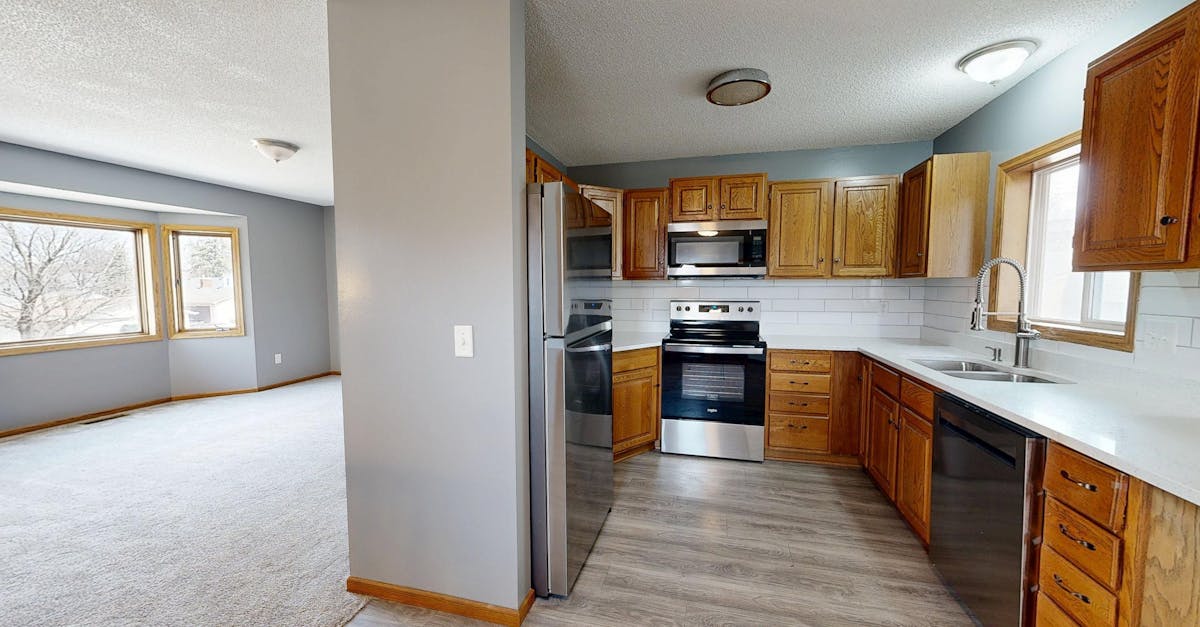
Exploring Neutrals: The Timeless Kitchen Palette
Table Of Contents
Lighting Considerations for Neutral Kitchens
Proper lighting plays a crucial role in enhancing the beauty of a neutral kitchen. Natural light is especially valuable, as it enhances the soft hues often present in such spaces. Large windows or skylights can create an airy feel, allowing light to bounce off lighter surfaces while avoiding a stark environment. The strategic placement of mirrors reflects this light, making the space appear larger and more inviting.
Artificial lighting should complement the natural elements. Layered lighting solutions can be particularly effective. Incorporating task lighting under cabinets illuminates work areas, while pendant lights can add a focal point above islands or dining areas. Dimmer switches offer flexibility, allowing homeowners to set the mood according to different times of the day or occasions. Considering the interplay between various light sources can elevate a neutral kitchen to new levels of style and functionality.
Natural and Artificial Light Effects
The effects of natural light in a kitchen can dramatically enhance the overall atmosphere. Sunlight streaming through windows accentuates the beauty of neutral tones, making them appear warmer and more inviting. This interplay can highlight subtle textures and materials, creating an appealing visual effect. Strategic window placement and the choice of sheer or light-filtering window treatments can maximise daylight, leading to a brighter and more spacious feel.
Artificial lighting also plays a crucial role in complementing a neutral palette. Layering different sources of light, such as under-cabinet LEDs and statement pendants, can create depth and warmth. Choosing bulbs with a warmer colour temperature helps maintain the inviting nature of a neutral scheme while ensuring functionality. The careful arrangement of fixtures not only enhances work areas but also highlights design features, maintaining visual interest throughout the space.
Practical Tips for Decorating with Neutrals
When working with a neutral colour palette, choosing the right shades becomes essential. Opt for a mix of warm and cool neutrals to create depth and interest. For instance, pairing a soft beige with a cool grey can harmonise the space while ensuring it doesn’t feel flat. Incorporating texture through various materials such as wood, stone, and textiles can further enhance the overall appeal. Consider using different finishes for cabinetry and countertops to maintain visual contrast, making the kitchen feel more dynamic.
Layering is a crucial technique in neutral décor. Soft furnishings, like cushions or rugs, can feature subtle patterns or varying textures to break up the monotony without overwhelming the senses. Introduce pops of colour through accessories like artwork, plants, or cookware. These small accents can breathe life into the space and offer opportunities for personal expression. Be mindful of the placement of these elements, as balance is key to achieving a harmonious and inviting environment.
Balancing Light and Dark Colours
Neutral palettes offer a captivating play between light and dark tones, creating visual interest and depth within a kitchen space. Strategically placing light colours on walls or cabinetry can amplify natural light, enhancing the sense of openness. Darker elements, such as countertops or fixtures, ground the design and bring contrast, establishing a balanced dynamic that avoids monotony.
Incorporating various textures can further enrich the aesthetic. For instance, a glossy white finish on cabinets paired with a matte black countertop creates a sophisticated juxtaposition. The careful selection of accessories, such as rustic wooden cutting boards or sleek metallic accents, can also contribute to this balance, enriching the palette without overwhelming the overall serenity of the neutral theme.
Case Studies of Successful Neutral Kitchens
Across Australia, many homeowners have embraced neutral palettes in their kitchens, resulting in serene and sophisticated spaces. One striking example can be found in a contemporary home in Sydney, where soft taupe cabinets are paired with a crisp white marble island. This design choice creates a clean but warm aesthetic that encourages an inviting atmosphere, perfect for family gatherings and entertaining guests.
In another instance, a charming cottage in Melbourne showcases a blend of light greys and sandy tones, offering a coastal vibe. The use of matte finishes on cabinetry enhances the sense of tranquility, while natural wood accents add warmth and character. This combination exemplifies how neutral shades can be playful and relaxing, striking a balance that appeals to modern sensibilities while maintaining a timeless charm.
Inspiring Designs from Around Australia
Across Australia, various kitchens showcase the versatility and elegance of neutral palettes. In Melbourne, a stunning design utilises soft beige cabinetry paired with pale grey stone countertops, creating a calm and inviting atmosphere. Large windows allow for ample natural light, enhancing the warm tones while drawing attention to artisanal backsplash tiles that add texture without overpowering the overall aesthetic.
In Sydney, another remarkable kitchen features a blend of crisp white walls and darker timber accents. This balance provides visual interest while maintaining a cohesive look. Innovative lighting fixtures hang above a marbled island, casting a soft glow that accentuates the serene colour scheme. Each of these designs reflects the unique characteristics of their surroundings, demonstrating how neutral palettes can harmonise with various architectural styles.
FAQS
What are the benefits of using a neutral palette in the kitchen?
A neutral palette creates a timeless and versatile space, allowing for easy updates with accessories and decor. It also enhances natural light and makes the kitchen appear more spacious and inviting.
How can I ensure my neutral kitchen doesn't feel bland?
To avoid a bland look, incorporate different textures and materials, such as wood, stone, and metals. You can also add pops of colour through decorative items, plants, and artwork to create visual interest.
What lighting options work best for neutral kitchens?
Both natural and artificial lighting are important. Use large windows to maximise natural light and layer artificial lighting with ambient, task, and accent lights to create a warm and inviting atmosphere.
How can I balance light and dark colours in a neutral kitchen?
To achieve balance, consider a mix of light and dark elements, such as light cabinets paired with darker countertops or a mix of light walls and dark flooring. This contrast adds depth and dimension to the space.
Can you share some examples of successful neutral kitchen designs?
Yes! Case studies from around Australia showcase a variety of inspiring designs that utilise neutrals effectively. These examples often feature unique layouts, clever storage solutions, and thoughtful use of materials that highlight the beauty of a neutral palette.
Related Links
How to Incorporate Accent Colours in Your KitchenBold Colour Combinations for Modern Kitchen Designs
Integrating Natural Elements Through Colour Choices
Trends in Textured Finishes for Kitchen Surfaces
Creating Contrast with Darker Shades in Kitchen Spaces
Popular Finishes to Enhance Your Kitchen Aesthetics
Designing a Harmonious Colour Flow with Open Spaces
Choosing the Right Finishes for a Contemporary Kitchen
The Impact of Colour Psychology in Kitchen Renovations