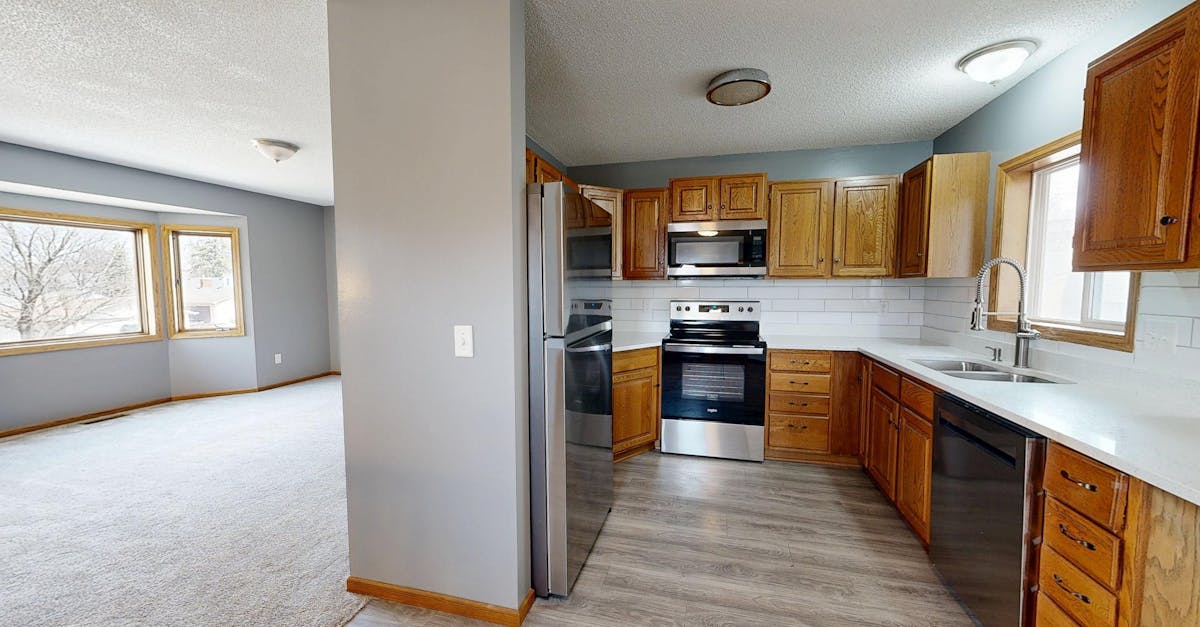
Colour and Texture Considerations for Open Kitchens
Table Of Contents
The Role of Cabinets in Colour and Texture
Cabinets serve as a prominent feature in open kitchens, directly influencing the overall aesthetic and functionality of the space. Their colour can establish a mood, from vibrant hues that energise the room to muted tones that promote a sense of calm. The texture of cabinet surfaces also plays an important role, with options ranging from sleek gloss finishes to rustic wood grains. The choice of materials impacts not only the visual appeal but also the tactile experience, enhancing the perception of warmth or sophistication in the kitchen.
When selecting cabinets, it is essential to consider how they will harmonise with other elements in the kitchen. For instance, pairing matte finishes with textured stone countertops can create a balanced look that is both modern and inviting. Alternatively, glossy surfaces can reflect light, making the space feel larger and brighter, particularly in open kitchen designs. Ultimately, cabinets are more than just storage; they are a pivotal part of the kitchen's colour and texture narrative, shaping how the space is perceived and experienced.
Selecting Cabinet Finishes that Elevate Design
Cabinet finishes play a crucial role in the overall aesthetic of an open kitchen. When choosing the right finish, consider the atmosphere you wish to create. High-gloss surfaces can offer a modern and sleek look, while matte finishes convey warmth and subtlety. Additionally, opting for natural wood finishes can introduce organic elements, establishing a balance between contemporary design and nature-inspired tones. Selecting the right colour can further enhance these finishes; whites and pastels provide a sense of space, while deeper hues add drama and sophistication.
The texture of the cabinetry also significantly impacts the kitchen's style. Shaker-style cabinets with smooth paint deliver a classic appeal, while textured or slatted wood can bring a trendy, rustic feel to the space. Incorporating mixed materials, such as metal accents or glass inserts, can create visual interest and depth. An effective combination of these elements ensures that cabinets not only serve their practical purpose but also contribute to a cohesive design that reflects personal taste.
Flooring Options for Open Kitchens
The choice of flooring in an open kitchen greatly influences the overall aesthetics and functionality of the space. Popular options include tiles, hardwood, and laminate, each offering distinct advantages. Tiles provide durability and ease of cleaning, making them a practical choice for areas that can be prone to spills and stains. Hardwood flooring, while requiring more maintenance, adds warmth and character, fostering a welcoming atmosphere. On the other hand, laminate flooring mimics the appearance of natural wood or stone at a more affordable price, making it an appealing alternative for budget-conscious homeowners.
Texture plays a crucial role in selecting flooring, as it balances the visual weight of adjoining spaces. For instance, polished tiles can reflect light and create a sense of spaciousness, while textured finishes add depth and interest. The colour palette of the flooring should harmonise with the cabinetry and countertops. Light shades can enhance the feeling of openness, whereas darker tones may ground the area and provide a sophisticated contrast. Selecting the right combination ensures that the flooring complements the overall design while catering to practical needs.
How Texture and Colour Affect Flooring Selection
The choice of flooring in an open kitchen is significantly influenced by both colour and texture. Lighter tones can create a sense of spaciousness, making the area feel more inviting. In contrast, darker shades can add warmth and depth, but might make a space feel smaller if not balanced with sufficient natural or artificial light. When selecting materials, consider how they resonate with adjoining spaces. A cohesive look can be achieved by choosing colours that tie in with the cabinetry and walls.
Texture also plays a critical role in flooring selection. Glossy tiles offer a sleek aesthetic, while matte finishes provide a more understated look. The tactile feel of the flooring can invite a multisensory experience as one moves through the space. Incorporating varied textures, like combining smooth tiles with a textured area rug, can enhance the visual interest while maintaining harmony across the kitchen design.
Incorporating Textiles in Kitchen Décor
Textiles can add warmth and personality to an open kitchen space. Consider using textiles such as curtains, table linens, and cushion covers that create a cohesive look. Choosing fabrics in colours that harmonise with cabinetry and flooring can enhance the overall aesthetic. Bold patterns can serve as focal points, while subtle textures can provide a sense of depth without overwhelming the design.
Incorporating rugs can also significantly contribute to the kitchen's atmosphere. A strategically placed rug can delineate areas and provide comfort underfoot. It is important to select materials that are durable and easy to clean, given the often busy kitchen environment. Whether opting for natural fibres or synthetic blends, prioritising functionality alongside aesthetics ensures that textiles both enhance the décor and withstand everyday use.
Choosing Fabrics that Complement Your Theme
In an open kitchen, the choice of fabrics plays a significant role in unifying the space. Selecting textiles that mirror the overall colour scheme enhances cohesion. Consider options like curtains, cushions, or kitchen textiles that harmonise with the cabinetry and flooring. Soft furnishings can add warmth and comfort, making the kitchen feel inviting.
Choosing the right fabrics also involves considering durability and ease of maintenance. Kitchens often experience spills and splatters, so opting for fabrics that are stain-resistant or easy to clean is essential. Natural fibres such as cotton and linen work well for a casual look, while synthetic blends can offer more resilience. Prioritising a balance between style and functionality will ensure that textiles enhance the design without compromising practicality.
FAQS
What role do cabinets play in the colour and texture of an open kitchen?
Cabinets are a significant aspect of an open kitchen's design, as they can set the tone and style for the space. The colour and texture of cabinetry can create visual interest, complement other elements, and enhance the overall aesthetic of the kitchen.
How do I select the right cabinet finishes for my kitchen design?
When selecting cabinet finishes, consider the overall theme of your kitchen, the desired ambiance, and how the finishes will interact with other materials in the space. Popular options include matte, gloss, or textured finishes, which can all elevate the design in different ways.
What flooring options are best for open kitchens?
Common flooring options for open kitchens include hardwood, tiles, vinyl, and laminate. Each material has its own benefits in terms of durability, maintenance, and style, so it’s essential to choose one that suits your lifestyle and complements the kitchen’s overall design.
How do texture and colour affect flooring selection in open kitchens?
Texture and colour play a vital role in flooring selection as they can influence the mood and perceived size of the kitchen. Lighter colours can make the space feel larger, while textured surfaces can add depth and warmth, enhancing the overall décor.
What textiles should I incorporate into my open kitchen décor?
Consider incorporating textiles such as curtains, table linens, or cushions that complement your kitchen's colour scheme and theme. Choosing fabrics that are durable and easy to clean is important, especially in a high-traffic area like the kitchen.
Related Links
Designing Flow: Movement in an Open Plan KitchenMaximising Light in Open Plan Kitchen Designs
The Role of Flooring in Open Plan Kitchen Aesthetics
Creative Storage Solutions for Open Plan Kitchens
Blending Indoor and Outdoor Living in Kitchen Designs
Incorporating Technology in Open Plan Kitchen Spaces
The Importance of Zoning in Open Plan Kitchen Layouts
Integrating Dining and Cooking Areas in Open Spaces