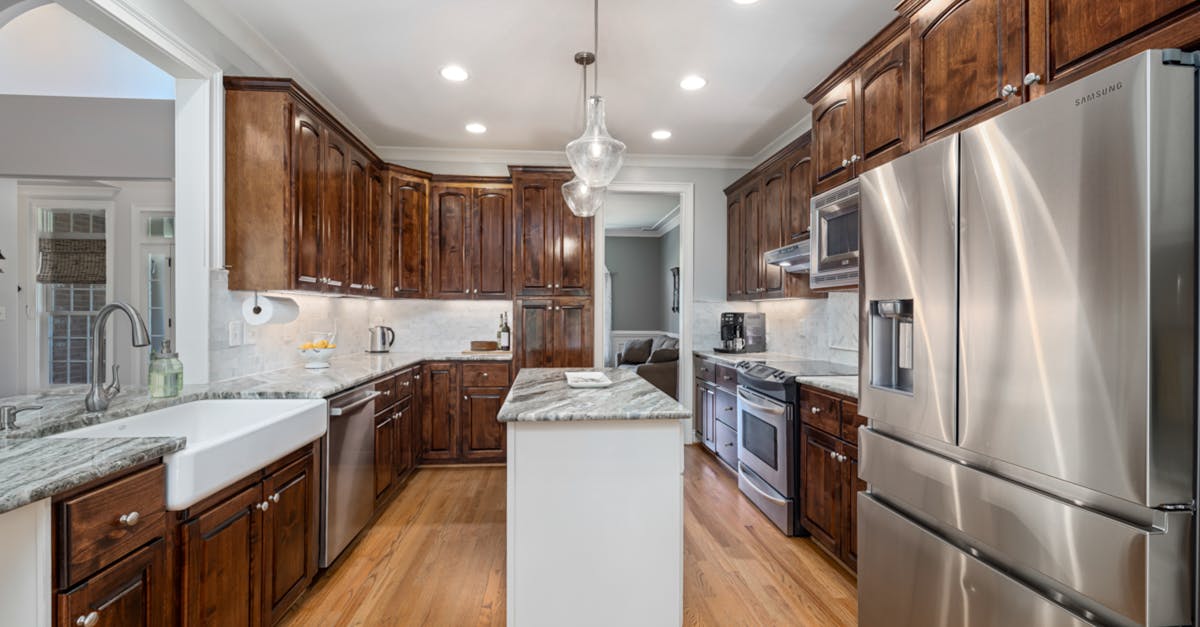
Incorporating Technology in Open Plan Kitchen Spaces
Table Of Contents
Home Automation in Kitchen Areas
The modern kitchen is becoming a hub of connectivity, transforming the way we cook and engage with our living spaces. Home automation offers a variety of features tailored specifically for kitchen areas, enhancing both functionality and convenience. Smart appliances can be integrated seamlessly, allowing users to control ovens, refrigerators, and dishwashers remotely. This level of connectivity fosters efficiency, making it simpler to manage meal preparations and monitor energy consumption.
Lighting plays a crucial role in creating the right atmosphere in kitchen spaces. Automated lighting systems adjust based on the time of day or can be controlled via mobile applications. With smart sensors, kitchens can be illuminated automatically upon entry or dimmed for a more relaxed setting during evening gatherings. This technology not only improves the overall experience but also contributes to energy savings through intelligent control.
Voice-Controlled Systems
Smart speakers and voice-activated assistants are becoming essential in modern kitchens. Homeowners can simply issue voice commands to control various appliances, adjust lighting, or even set timers while their hands remain busy with cooking tasks. This hands-free convenience is particularly appealing in open plan kitchen spaces, where multitasking is a common necessity.
These systems provide not only efficiency but also enhance accessibility for individuals with mobility challenges. Cooking enthusiasts can browse recipes, check shopping lists, and make adjustments to their connected devices without the need for physical interaction. Such integration of technology simplifies daily kitchen routines, fostering a more enjoyable and interactive cooking environment.
Innovative Kitchen Island Designs
Modern kitchen islands have evolved into multifunctional hubs that go beyond mere food preparation. They now often include integrated seating, allowing for casual dining or social interaction. Incorporating smart technology, such as built-in charging stations and touch-control cooktops, enhances their usability. A variety of materials, including natural stone and engineered composites, can be combined to create a striking visual statement while maintaining durability.
Designers are also focusing on innovative shapes and configurations to optimise space. Curved or asymmetrical islands can soften hard lines and encourage movement within the kitchen. Some designs feature hidden storage solutions, keeping countertops uncluttered and organised without sacrificing functionality. With the right blend of aesthetics and practicality, kitchen islands can truly transform the heart of the home.
Incorporating Tech Features
Modern kitchen islands have evolved into multifunctional hubs, seamlessly integrating technology to enhance both functionality and aesthetics. Many designs now incorporate wireless charging stations for devices, allowing easy access while preparing meals or entertaining guests. Built-in Bluetooth speakers provide an audio experience tailored to individual preferences, ensuring a lively atmosphere during cooking or social gatherings. With smart surface materials that resist stains and are easy to clean, these tech-enhanced islands boost efficiency in daily tasks.
Smart appliances are also making their way into kitchen islands. Brands are now offering innovative features such as refrigeration drawers with touch controls, which make food storage more accessible. Some islands include built-in induction cooktops that not only optimise energy use but also enhance safety by reducing the risk of burns. These advancements exemplify how technology can redefine cooking experiences, making them more enjoyable and tailored to the needs of modern households.
Sustainable Technology Choices
Sustainable technology options are increasingly becoming a focal point for modern kitchens. Energy-efficient appliances are now widely available, offering significant reductions in electricity usage without compromising performance. Many brands feature smart sensors that adjust energy consumption based on user habits. These products not only contribute to lower utility bills but also reduce the overall carbon footprint of the household. Water-saving fixtures are another essential component. While enhancing the overall functionality of the space, these fixtures promote conservation, helping homeowners make environmentally responsible choices.
Integrating solar power into the kitchen is gaining traction among eco-conscious consumers. Solar panels can generate electricity for energy-hungry kitchen appliances, reducing reliance on the grid and minimising environmental impact. Additionally, the use of sustainable materials for countertops and cabinetry can also support eco-friendly initiatives. Options like bamboo or recycled wood not only offer aesthetic appeal but also consume fewer resources during manufacturing. This combination of innovative design and sustainability ensures a kitchen space that not only looks good but also aligns with a commitment to preserving the environment.
Eco-Friendly Kitchen Solutions
In the quest for a sustainable kitchen, various eco-friendly options can significantly reduce the overall environmental impact. Energy-efficient appliances often take centre stage, utilising less power and water while maintaining high performance. This includes everything from refrigerators to dishwashers that have gained star ratings due to their low energy consumption. The use of such appliances not only conserves resources but also lowers utility bills.
Materials play a crucial role in eco-friendly kitchen solutions. Opting for sustainable materials like bamboo, recycled glass, or reclaimed wood can enhance the aesthetic while promoting environmental responsibility. Additionally, installing water-saving fixtures can help in minimising waste. Integrating these elements fosters a kitchen space that reflects a commitment to sustainability without compromising style or functionality.
FAQS
What are some benefits of incorporating home automation in kitchen areas?
Home automation in kitchen areas can enhance convenience, improve energy efficiency, and allow for better control over appliances and lighting, creating a more user-friendly environment.
How do voice-controlled systems work in the kitchen?
Voice-controlled systems use smart speakers or devices equipped with virtual assistants, allowing users to control appliances, lighting, and other functions through voice commands, making cooking and meal prep more efficient.
What innovative designs can be implemented for kitchen islands?
Innovative kitchen island designs can include features such as built-in appliances, seating areas, smart charging stations, and even integrated cooking surfaces, optimising space and functionality.
What tech features can I incorporate into my kitchen island?
Tech features for kitchen islands may include wireless charging pads, smart lighting, touch-sensitive controls for appliances, and even built-in speakers or screens for entertainment and recipe assistance.
What are some eco-friendly technology options for kitchens?
Eco-friendly technology options for kitchens include energy-efficient appliances, smart thermostats, water-saving fixtures, and high-efficiency lighting, all of which help reduce environmental impact while maintaining functionality.
Related Links
Blending Indoor and Outdoor Living in Kitchen DesignsThe Importance of Zoning in Open Plan Kitchen Layouts
Colour and Texture Considerations for Open Kitchens
Designing Flow: Movement in an Open Plan Kitchen
The Role of Flooring in Open Plan Kitchen Aesthetics
Creative Storage Solutions for Open Plan Kitchens
Integrating Dining and Cooking Areas in Open Spaces
Choosing Functional Furniture for Open Plan Kitchens
Maximising Light in Open Plan Kitchen Designs