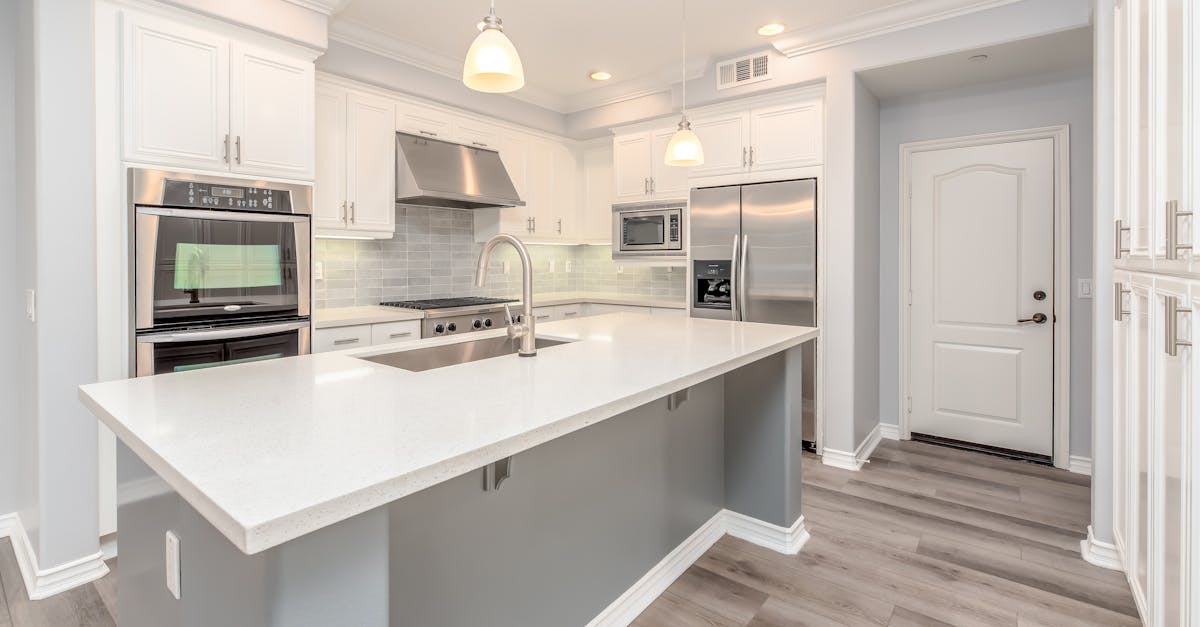
The Importance of Zoning in Open Plan Kitchen Layouts
Table Of Contents
Integrating Technology in Zoning
Incorporating technology into kitchen zoning can enhance both functionality and aesthetic appeal. Smart appliances are becoming increasingly popular, allowing homeowners to control different areas with precision. For example, a smart thermostat can adjust the temperature in a cooking zone, while smart lighting can create ambience tailored to meal preparation or entertaining. This integration not only streamlines cooking processes but also supports energy efficiency, making it a practical investment.
Home automation systems offer a new layer of convenience when it comes to zoning. Devices can now be programmed to suit various activities, from cooking to social gatherings. Voice-activated technologies enable users to change settings hands-free, allowing for seamless transitions between tasks in an open-plan kitchen. With the flexibility to customise these environments, homeowners can achieve a balance between practicality and style, contributing to an overall enhanced living experience.
Smart Solutions for Modern Kitchens
Advancements in technology have introduced a host of smart solutions to modern kitchens, enhancing both functionality and convenience. Features such as smart ovens and refrigerators integrate seamlessly into open plan layouts. Homeowners can control appliances remotely through smartphones, making meal preparation more efficient. Voice-activated assistants contribute to hands-free cooking, allowing users to multitask with ease while managing kitchen tasks.
Additionally, automated lighting systems can adjust based on time of day or cooking activities. This creates a welcoming atmosphere and saves energy. Integrated sound systems provide entertainment while culinary enthusiasts whip up their latest creations in the heart of the home. Smart zoning strategies define distinct areas for cooking, dining, and socialising, all while maintaining an airy flow throughout the space.
The Impact of Zoning on Home Value
Zoning plays a crucial role in determining how potential buyers perceive a property. A well-designed open plan kitchen that incorporates effective zoning can create a harmonious living space, enhancing the overall appeal of the home. When specific areas are clearly defined for cooking, dining, and entertaining, it not only improves functionality but also allows for better traffic flow and usability. Prospective buyers often seek properties that offer both aesthetic value and practicality, making zoning an important aspect in their decision-making process.
The presence of distinct yet interconnected zones within an open plan kitchen can also positively influence property appraisal values. Properties with thoughtfully zoned spaces tend to stand out in a competitive market. Buyers are more likely to appreciate a layout that supports modern lifestyle needs, such as family gatherings or culinary activities. Enhanced functionality, combined with attractive design, can significantly increase a home's market value, making effective zoning an essential consideration for homeowners looking to sell.
Attracting Potential Buyers
Open plan kitchens have become increasingly popular among homebuyers due to their spacious and inviting atmosphere. Potential buyers are often attracted to layouts that allow for seamless interaction between the kitchen, dining, and living areas. When zoning is thoughtfully implemented, it creates defined spaces within the open plan, making the area functional while still maintaining an airy feel. Features such as a strategically placed island or delineated zones for cooking, dining, and relaxing can enhance the visual appeal, making the home more desirable.
Furthermore, well-defined zones can increase the perceived value of a property. Buyers often appreciate the balance between openness and structure, as it reflects a well-considered design that meets modern living needs. A well-zoned kitchen can elevate the overall aesthetic of the home, showcasing an ability to cater to both daily activities and entertainment. By making these spaces more adaptable, homeowners set a foundation that appeals to a broader range of potential buyers, ultimately enhancing marketability.
Sustainable Practices in Zoning Design
Integrating sustainability into zoning design can significantly impact both the environment and the homeowner's experience. One effective approach is incorporating eco-friendly materials like bamboo or reclaimed wood in cabinetry and flooring. These materials not only reduce environmental impact but also add a unique aesthetic appeal. Additionally, energy-efficient appliances play a crucial role in minimising energy consumption, contributing to a more sustainable kitchen environment that aligns with modern values.
Careful consideration of layout can further enhance sustainability by promoting natural light and air circulation. Open plan designs can benefit from strategically placed windows and skylights, fostering a connection with the outdoors while decreasing reliance on artificial lighting. Utilizing zoned areas within the kitchen for specific functions can also improve efficiency, making it easier to adopt sustainable habits like composting or recycling. When zoning prioritises both function and environmental responsibility, it can lead to a kitchen space that is not just stylish but also conscientious.
Eco-Friendly Materials and Layouts
Incorporating eco-friendly materials into kitchen zoning can significantly reduce a home's environmental impact. Sustainable options such as bamboo, reclaimed timber, and recycled metal offer durability while minimising resource depletion. Natural finishes, such as low-VOC paints and stains, promote better indoor air quality. Selecting locally-sourced materials can further decrease carbon footprints associated with transportation, making responsible choices an integral part of modern kitchen design.
Layout considerations can enhance the sustainability quotient as well. Open spaces that maximise natural light reduce reliance on artificial lighting, aiding energy efficiency. Incorporating plants or green walls creates a natural atmosphere and helps filter indoor air, adding to the aesthetic appeal while promoting health. Sustainable zoning embraces not only materials, but also intelligent layout decisions that support a holistic approach to eco-conscious living.
FAQS
What is zoning in open plan kitchen layouts?
Zoning in open plan kitchen layouts refers to the strategic division of space into distinct areas for specific functions, such as cooking, dining, and entertaining, to enhance efficiency and flow within the kitchen.
How can technology be integrated into zoning for modern kitchens?
Technology can be integrated into zoning by incorporating smart appliances, automated lighting, and innovative storage solutions that optimise functionality and adapt to the user’s lifestyle.
What impact does zoning have on the overall value of a home?
Effective zoning can significantly enhance a home's value by creating a more functional and aesthetically pleasing space, making it more appealing to potential buyers.
How does zoning attract potential buyers?
Zoning attracts potential buyers by showcasing a well-organised and versatile kitchen layout that caters to various needs and activities, demonstrating the home's ability to accommodate modern living.
What sustainable practices can be implemented in zoning design?
Sustainable practices in zoning design include using eco-friendly materials, maximising natural light, and creating energy-efficient layouts that minimise waste and reduce the environmental impact of the kitchen.
Related Links
Incorporating Technology in Open Plan Kitchen SpacesIntegrating Dining and Cooking Areas in Open Spaces
Colour and Texture Considerations for Open Kitchens
Designing Flow: Movement in an Open Plan Kitchen
The Role of Flooring in Open Plan Kitchen Aesthetics